Lost cities · Bushrangers · Shipwrecks · Explorers
Australian history, where it happened
Every film on one map. Pick a place and watch its story.
Pinch or use the + and − buttons to zoom. On a computer, hold Ctrl (or ⌘) and scroll.
Cities and old photographsBushrangers and crimeShips and shipwrecksExplorers and routesStrange days and deep time3Several films in one placeRoute lines are a rough guide, and a few pins are approximate.
Follow the line
Three journeys across the map
Some stories don't fit under one pin. These are drawn on the map from start to finish.
 1770
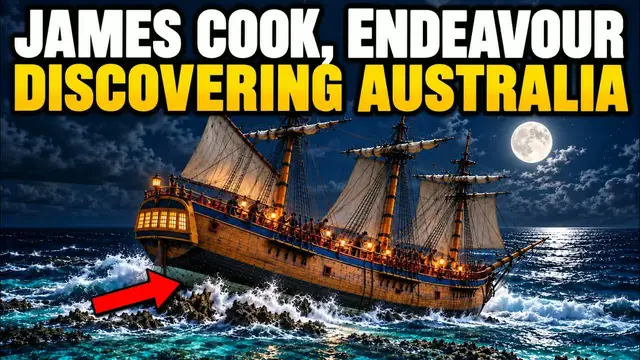
Endeavour: James Cook's First Voyage
The east coast, Point Hicks to Possession Island.
- Film coming soon
 1906
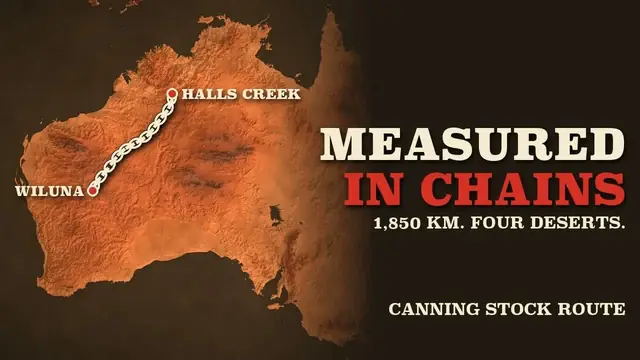
The Canning Stock Route: Measured in Chains
Wiluna to Halls Creek, Western Australia.
In time order
All 33 films
From the oldest rock on Earth to a Melbourne robbery in 1976. Tap a picture to play it here, or use Show on map to see where it happened.
Deep time 1
-
 7:21
Strange days and deep time · Deep time
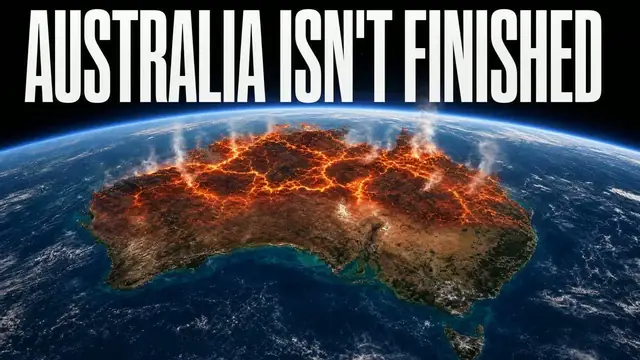
Australia's Volcanoes Aren't Extinct
Five places across the continent
- New
They call Australia the quiet continent. It isn't. From the oldest crystal ever found on Earth, in the Jack Hills, to the lava plains of western Victoria, this is the story of the ground under Australia, and what the data says comes next.
Pins: Jack Hills, the Gawler Ranges, Uluru, Kalkarindji and Budj Bim.
Before 1788 3
-
 9:27
Ships and shipwrecks · 1629
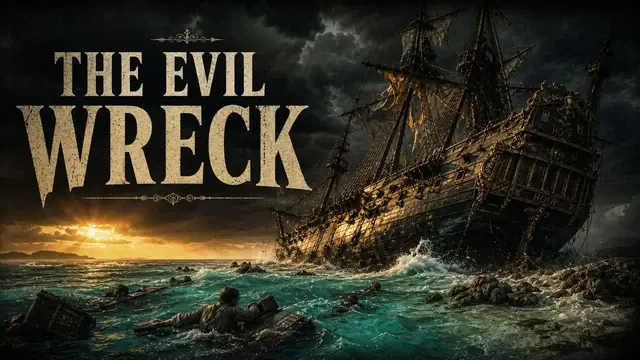
The Batavia, 1629: The Most Evil Shipwreck in History
Houtman Abrolhos, Western Australia
The richest ship of her day hit a reef no chart had recorded, sixty kilometres off the Western Australian coast. Forty people drowned. What happened on the coral islands over the next three months is the darkest story in the history of shipwrecks.
-
 6:46
Ships and shipwrecks · 1712
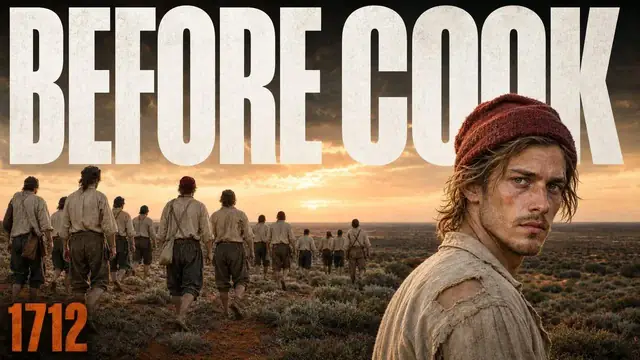
Before Cook: The Zuytdorp Survivors Nobody Found
Zuytdorp Cliffs, Western Australia
A Dutch ship carrying a fortune in new silver hit the cliffs of Western Australia in the dark. Some of the people aboard climbed the cliff and lit fires on the top. Then they disappeared from history.
-
21:33
Explorers and routes · 1770
Endeavour: James Cook's First Voyage
The east coast, Point Hicks to Possession Island
- New
- April to August 1770
- Told from both sides of the beach
A coal ship from Whitby was sent round the world to watch Venus cross the Sun, and came home with the east coast of Australia. Follow her up the coast: Point Hicks, eight days at Kamay (Botany Bay), the reef that nearly sank her, the Endeavour River and Possession Island.
Aboriginal and Torres Strait Islander viewers are advised that this film contains names and reconstructed depictions of people who have died.
1788 to 1850: the convict colonies 8
-
 5:31
Bushrangers and crime · 1789
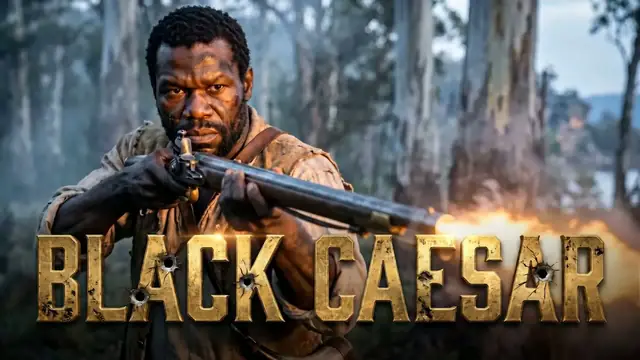
Black Caesar: Australia's First Bushranger
Sydney Cove, New South Wales
John "Black" Caesar arrived on the First Fleet in 1788. A year later he became the first man in the colony to take to the bush as an outlaw.
-
 6:06
Ships and shipwrecks · 1791
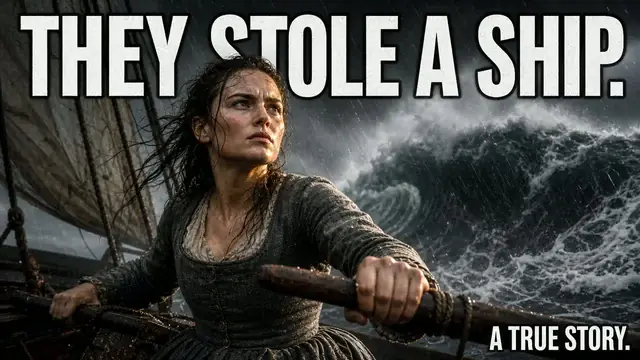
Australia's Female Pirates
Sydney Cove, New South Wales
In 1791 the convict Mary Bryant helped steal the Governor's cutter and sailed it 5,000 kilometres to Timor in 69 days, with a three-year-old and a baby aboard. Fifteen years later Charlotte Badger helped seize the brig Venus and was never caught.
-
 11:30
Cities and old photographs · 1642 to 1930
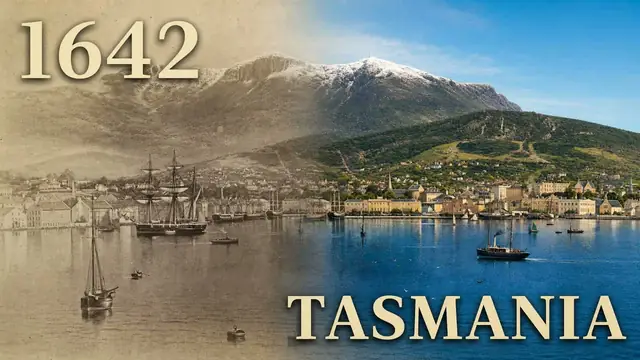
Old Hobart Comes Alive: The Making of Tasmania
Hobart, Tasmania
From Tasman's two small ships in 1642 to more than sixty photographs of Hobart taken between 1857 and 1930. Every image is real, colourised and brought to life.
-
 2:53
Bushrangers and crime · Early 1800s
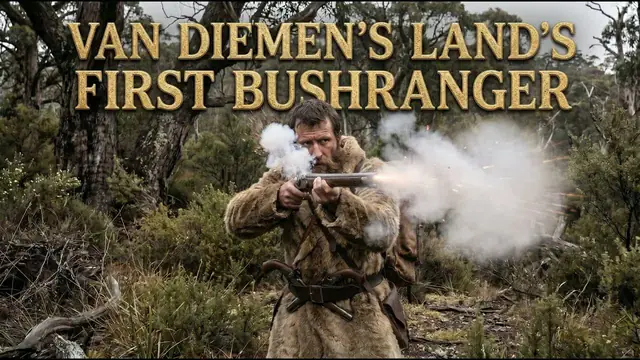
Richard Lemon: Van Diemen's Land's First Bushranger
Tasmania (pin is approximate)
The colony on the Derwent is starving, so convicts are handed muskets and sent out to hunt kangaroo. Many never return. Richard Lemon is one of them. A lagoon and a hill still carry his name.
-
 5:05
Strange days and deep time · 1808
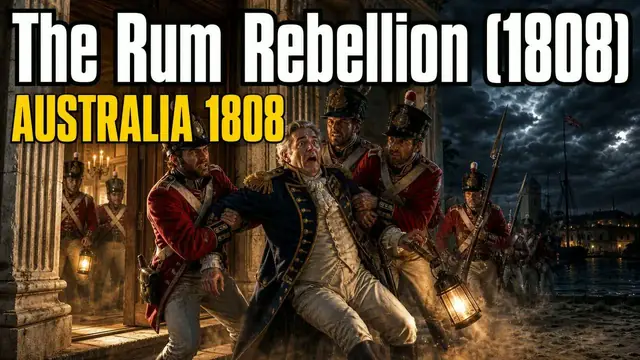
The Rum Rebellion: The Night the Army Arrested Its Own Governor
Sydney, New South Wales
26 January 1808, twenty years to the day after the First Fleet anchored. Three hundred soldiers of the New South Wales Corps march on Government House with the band playing, and arrest Governor William Bligh.
-
 24:14
Cities and old photographs · From 1812
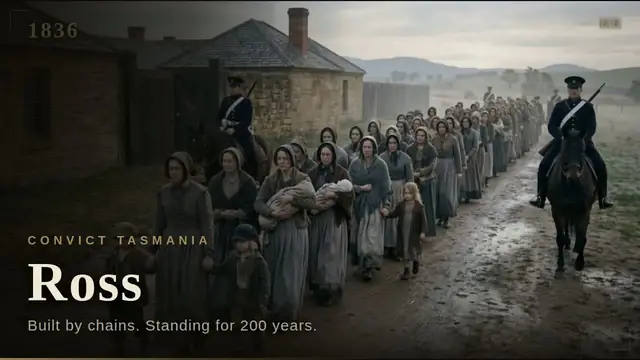
Ross, Tasmania: From Convict Outpost to Heritage Village
Ross, Tasmania
A military post guarding a river ford in 1812, a bridge finished in 1836 with 186 carvings by convict stonemasons, a female factory, and the wool town that grew around them.
-
 18:39
Bushrangers and crime · 1810s
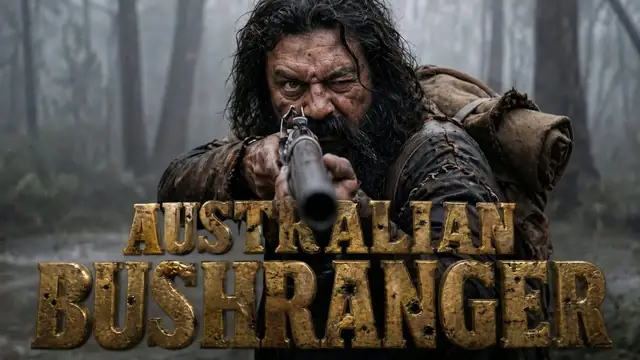
Van Diemen's Land's Most Feared Bushrangers
Derwent Valley, Tasmania
John Whitehead, then his lieutenant Michael Howe, the self-styled "Lieutenant Governor of the Woods", whose name was spoken in whispers from Hobart Town to the Derwent Valley.
-
 17:27
Cities and old photographs · From 1829
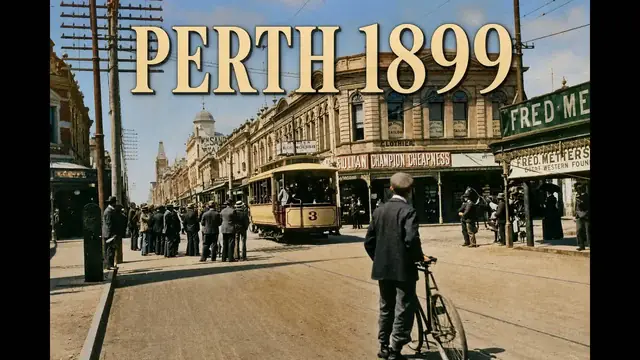
The Making of Western Australia: 120 Years in Real Photographs
Perth, Western Australia
Seventy-two archive pictures, most more than a century old: the Swan River Colony of 1829, Fremantle's convict years, the gold rushes at Coolgardie and Kalgoorlie, and the 500-kilometre Goldfields pipeline.
1851 to 1900: gold, boom and bust 10
-
 12:49
Cities and old photographs · 1850 to 1910
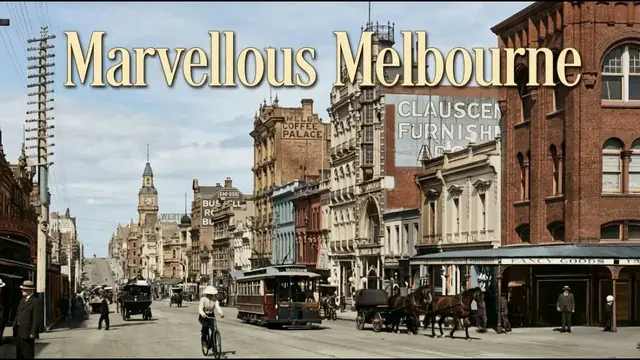
Marvellous Melbourne: The Richest City in the World
Melbourne, Victoria
Gold turned a muddy colonial outpost into a metropolis almost overnight: cable trams, coffee palaces, theatres and banks dripping with ornamental stonework.
-
 11:38
Cities and old photographs · 1860 to 1950
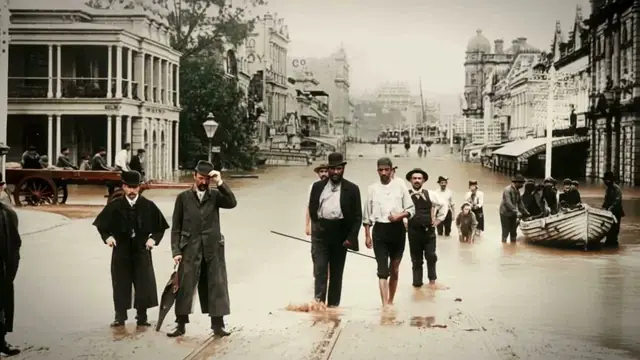
Old Brisbane Brought to Life
Brisbane, Queensland
Real photographs from the State Library of Queensland and other public collections, in colour and motion: Queen Street in the 1880s boom, the flood of 1893, electric trams from 1897 and the City Hall clock tower rising in 1928.
-
Film coming soon
Explorers and routes · 1860 to 1861
Burke and Wills: Nine Hours
Melbourne to the Gulf of Carpentaria
- Left Melbourne 20 August 1860
- Film coming soon
The expedition that crossed the continent from Melbourne to the Gulf, and came back to the depot on Cooper Creek about nine hours after the men waiting there had left. The film is being made now.
Pins: Royal Park in Melbourne, the Dig Tree on Cooper Creek and Camp 119, the northernmost camp. The line runs through the expedition's camps and is a rough guide.
-
 9:43
Cities and old photographs · 1871 to 1950
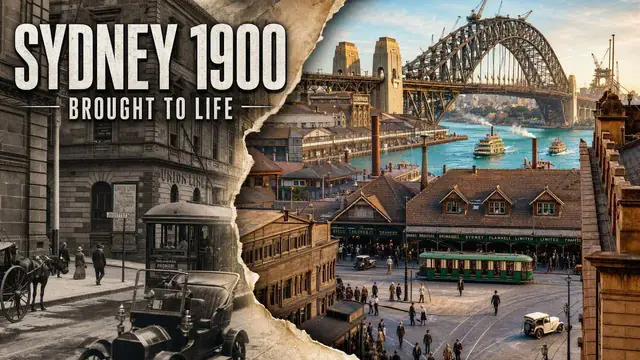
Old Sydney Brought to Life in Colour
Sydney, New South Wales
Forty original photographs in colour and motion: a harbour town of horse-drawn carts, the paddle ferries at Circular Quay, Pitt Street in 1912, and the steel arch that changed the skyline.
-
 9:53
Cities and old photographs · 1879 to 1882
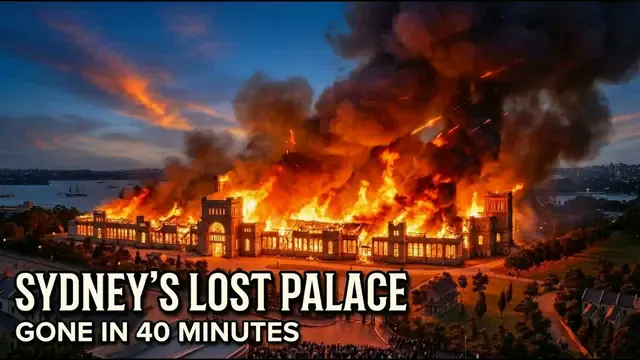
Sydney's Lost Palace: Built in 8 Months, Gone in 40 Minutes
Royal Botanic Garden, Sydney
The Garden Palace was the largest building Australia had seen, its dome 64 metres above the Botanic Gardens. Three years after it opened it burned to the ground in forty minutes. The cause was never found.
-
 5:17
Cities and old photographs · 1888
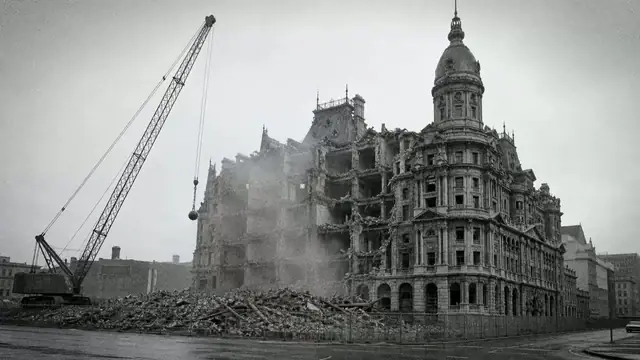
Melbourne 1888
Melbourne, Victoria
Walk one day through Melbourne in 1888: cable trams with no wires, land auctions with champagne on a Tuesday, and the brightest electric lights on the planet. Told by a witness who already knows how it ends.
-
 1:22:55
Cities and old photographs · 1840 to 1900s
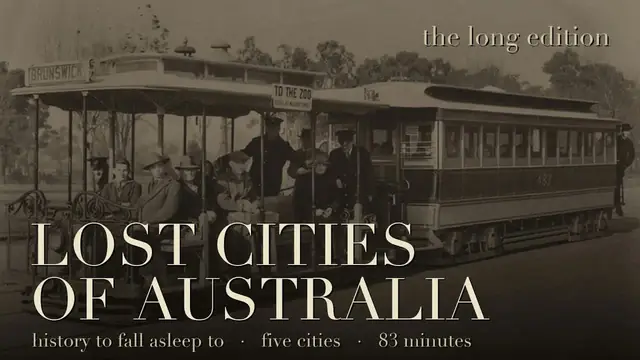
Lost Cities of Australia: History to Fall Asleep To
Melbourne, Sydney, Brisbane, Hobart and Perth
Two narrators walk you through five cities that no longer exist: Melbourne in 1888, Sydney in 1900, Brisbane the river town, Hobart Town in 1840 and Perth in 1897. Made for listening late, with the lights down. Slow, steady, no cliffhangers.
-
 9:36
Strange days and deep time · 1890
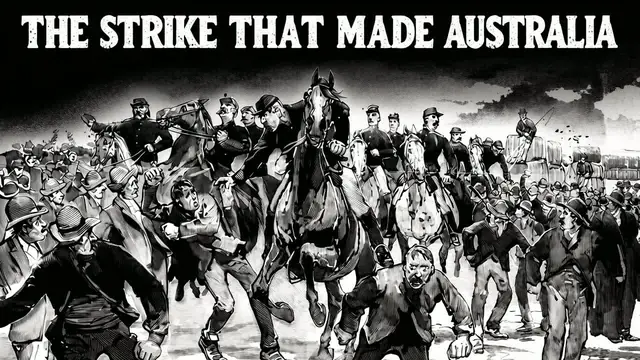
The 1890 Maritime Strike
Melbourne, Victoria
In August 1890 the marine officers of Melbourne joined the union movement. The shipowners' answer set off the biggest strike the southern hemisphere had seen: 30,000 seamen, wharf labourers, coal lumpers and shearers walked out.
-
 6:27
Cities and old photographs · 1893
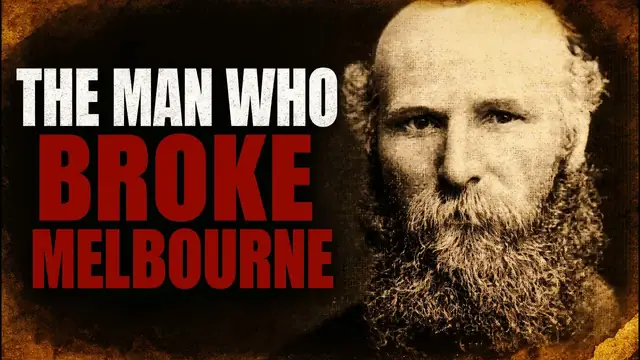
Melbourne 1893: The Day the Richest City in the World Went Broke
Melbourne, Victoria
Five years after the boom, the banks slammed their doors. Thirteen of Australia's twenty-two banks suspended in six weeks, and the savings of a generation were frozen.
-
 8:53
Cities and old photographs · 1897 to 1974
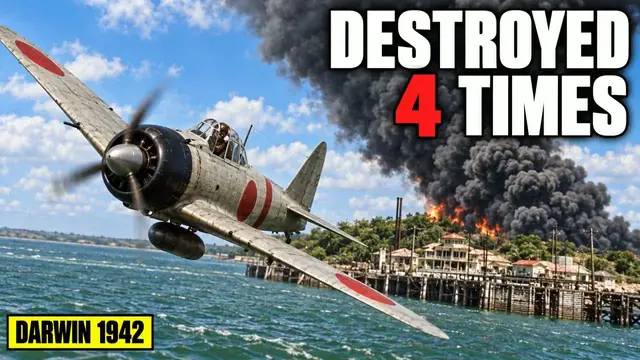
Darwin: The City That Was Destroyed Four Times
Darwin, Northern Territory
The Great Hurricane of 1897, the cyclone of 1937, the air raids of 19 February 1942 and Cyclone Tracy in 1974. Built from real archive photographs, with the nights nobody photographed reconstructed.
Aboriginal and Torres Strait Islander viewers are advised that this film contains images of people who have died.
1901 onwards 6
-
 9:47
Bushrangers and crime · 1902
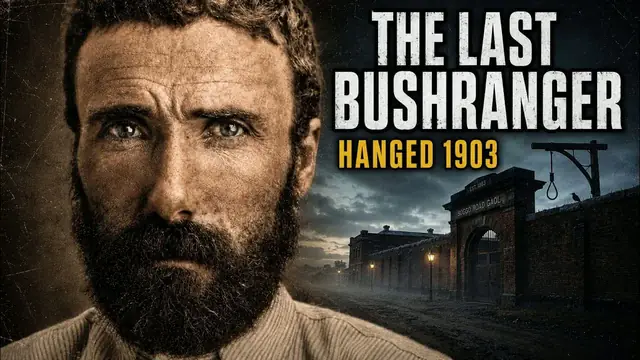
The Kenniff Brothers: Australia's Last Bushrangers
Upper Warrego, Queensland (pin is approximate)
The Easter Sunday killings at Lethbridge's Pocket in 1902, a crime no living witness saw, then the greatest manhunt in Queensland's history, the trial, and a hanging at Boggo Road Gaol.
-
5:51
Explorers and routes · 1906
The Canning Stock Route: Measured in Chains
Wiluna to Halls Creek, Western Australia
- New
- About 1,850 km
- Wiluna to Halls Creek
- Four deserts
In 1906 the surveyor Alfred Canning crossed the deserts of Western Australia to find a stock route, measuring the land in surveyor's chains. He carried a second chain as well, from the Wiluna police. This film follows that first crossing, the 1908 Royal Commission and the wells that followed.
Aboriginal and Torres Strait Islander viewers are advised that this film names people who have died. The line on the map is today's track, from OpenStreetMap.
-
 5:02
Strange days and deep time · 1923
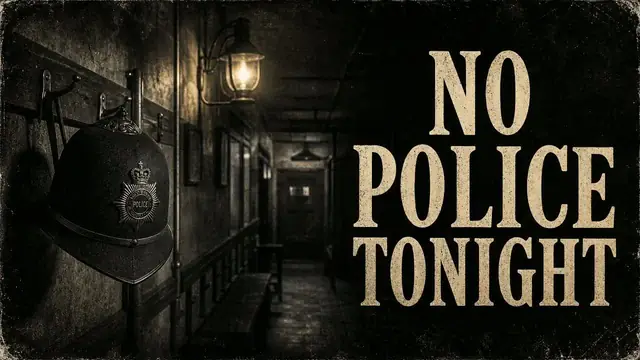
The Night Melbourne Had No Police
Melbourne, Victoria
On 31 October 1923 the Russell Street night shift refused to go on duty. By the weekend 636 police had been sacked, and on Derby night 78 shopfronts were smashed and looted.
-
 6:10
Strange days and deep time · 1930 to 1932
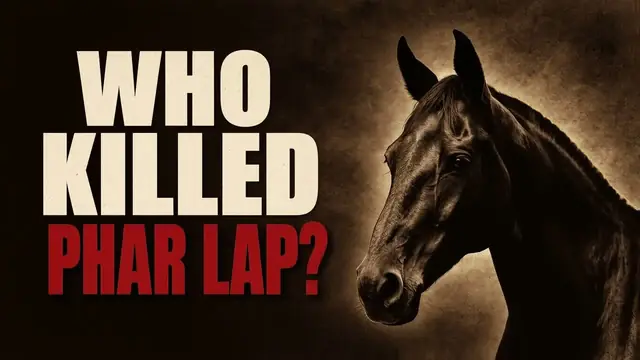
Who Killed Phar Lap?
Flemington, Melbourne
A cheap colt from New Zealand won the 1930 Melbourne Cup and became the hope of a broken nation. Sixteen days after his greatest win in America he died in agony. For almost eighty years nobody could prove what killed him.
-
 6:44
Strange days and deep time · 1932
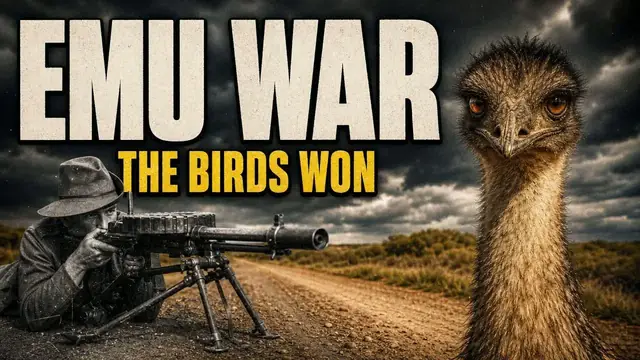
The Emu War of 1932
Western Australian wheatbelt (pin is approximate)
In November 1932 the Army went to war with two Lewis machine guns and ten thousand rounds of ammunition. The enemy: twenty thousand emus. It's in the parliamentary record, and it didn't end the way the Army hoped.
-
 8:09
Bushrangers and crime · 1976
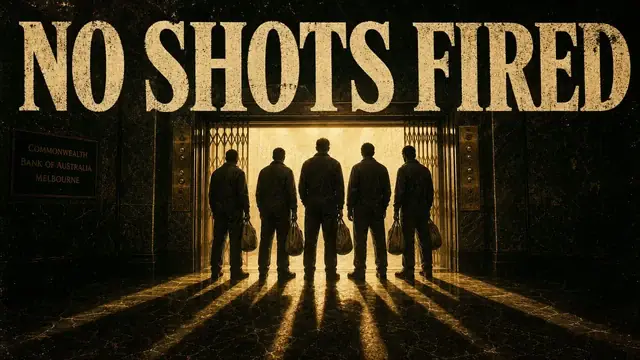
The Great Bookie Robbery
Queen Street, Melbourne
Lunchtime, 21 April 1976. Six men in workmen's overalls ride the service lift to the Victoria Club and leave eleven minutes later with the bookmakers' cash. No alarms, no shots. What came after was not so tidy.
Beyond Australia 6
-
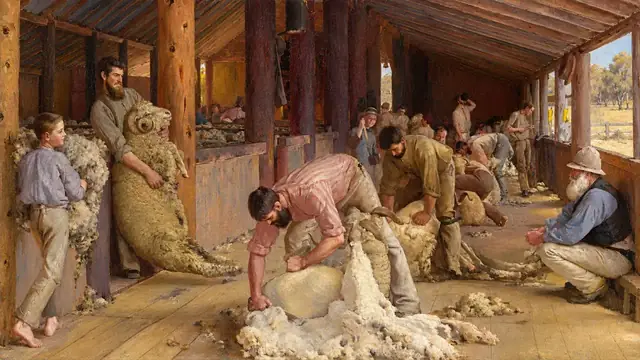 2:14
Beyond Australia · 1835 to 1890s
14 Famous Australian Paintings Start to Move
Australian art
Fourteen Australian paintings, all more than a century old and all in public galleries, brought to life for a few seconds each: Glover, von Guerard, Roberts, Streeton and more.
-
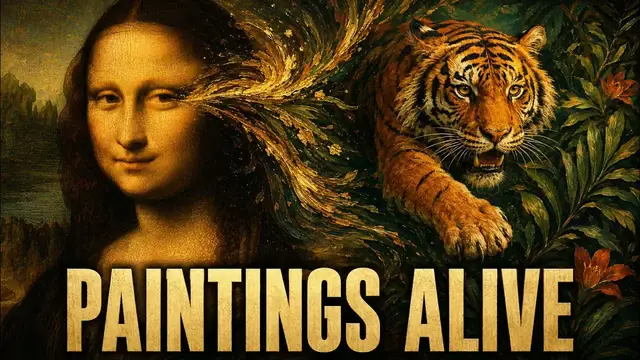 3:52
Beyond Australia · Art
What If Famous Paintings Came to Life?
World art
A portrait blinks. Horses spring into motion. Painted seas become rolling waves. Creative interpretations of famous paintings, not reconstructions of real events.
-
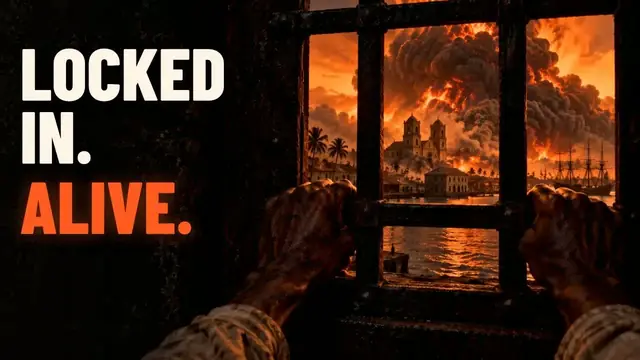 20:57
Beyond Australia · 1902
28,000 Died in a Minute. The Man in the Dungeon Lived.
Saint-Pierre, Martinique
On 8 May 1902 a cloud of superheated gas and ash from Mount Pelée destroyed Saint-Pierre in about a minute. One of the very few who lived was a prisoner locked in a stone cell.
-
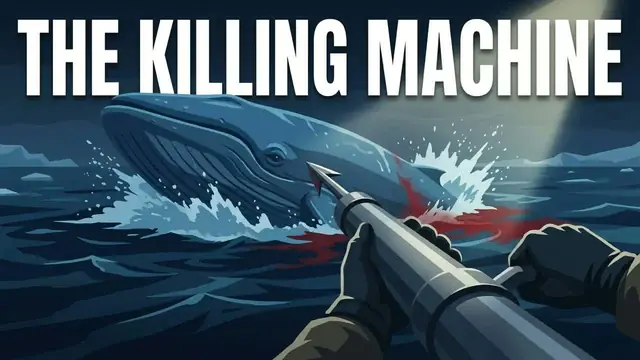 6:00
Beyond Australia · 1904 to 1960s
The Machine That Ate the Ocean
Grytviken, South Georgia
From the first shore station at Grytviken in 1904 to factory ships that could haul a whole whale up a stern ramp: how industrial whaling emptied the Southern Ocean in sixty years.
-
 2:35
Beyond Australia · 1950
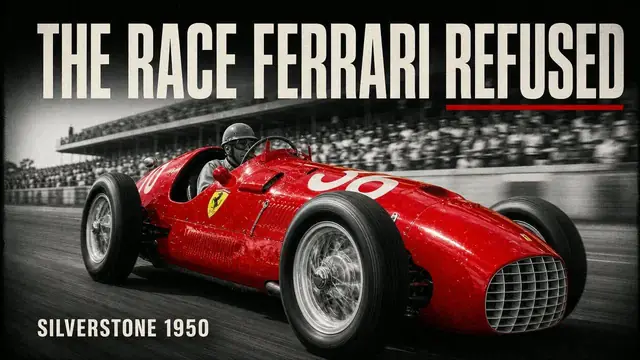
The Race Ferrari Refused: Silverstone 1950
Silverstone, England
13 May 1950: 120,000 people at a converted bomber airfield for the first round of the Formula 1 World Championship. One name was missing from the grid.
-
 9:16
Beyond Australia · 1898 to 1957
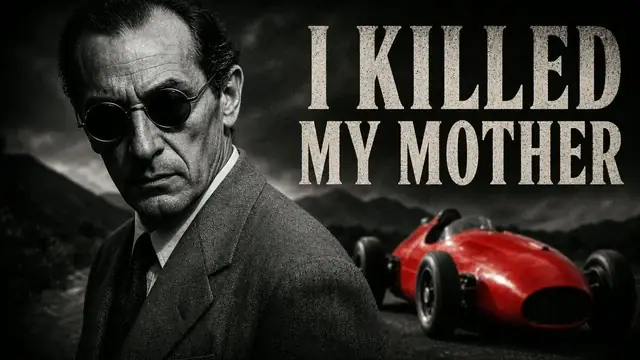
"Today I Have Killed My Mother": The Dark Birth of Ferrari
Italy
In July 1951 a Ferrari beat Alfa Romeo in a championship Grand Prix for the first time, and Enzo Ferrari described the day with the strangest sentence in motorsport. This film explains why.
The records are real. The pictures bring them back.
How the films are made
Each film starts with the record: journals, newspapers, court reports, library photographs and paintings. Where a camera was there, you see the real picture. Where it wasn't, the scene is reconstructed and labelled.
Sister site
The same country, today
When I'm not in the archives I'm out on the back roads in a van and on a loaded fat bike. Wild Roads Australia has the rides, the wildlife, a map of Australia's great walks and bike routes, and a few games.